
Wrong-Network Bitcoin Deposits: How to Prevent and Recover Them
 Available in AU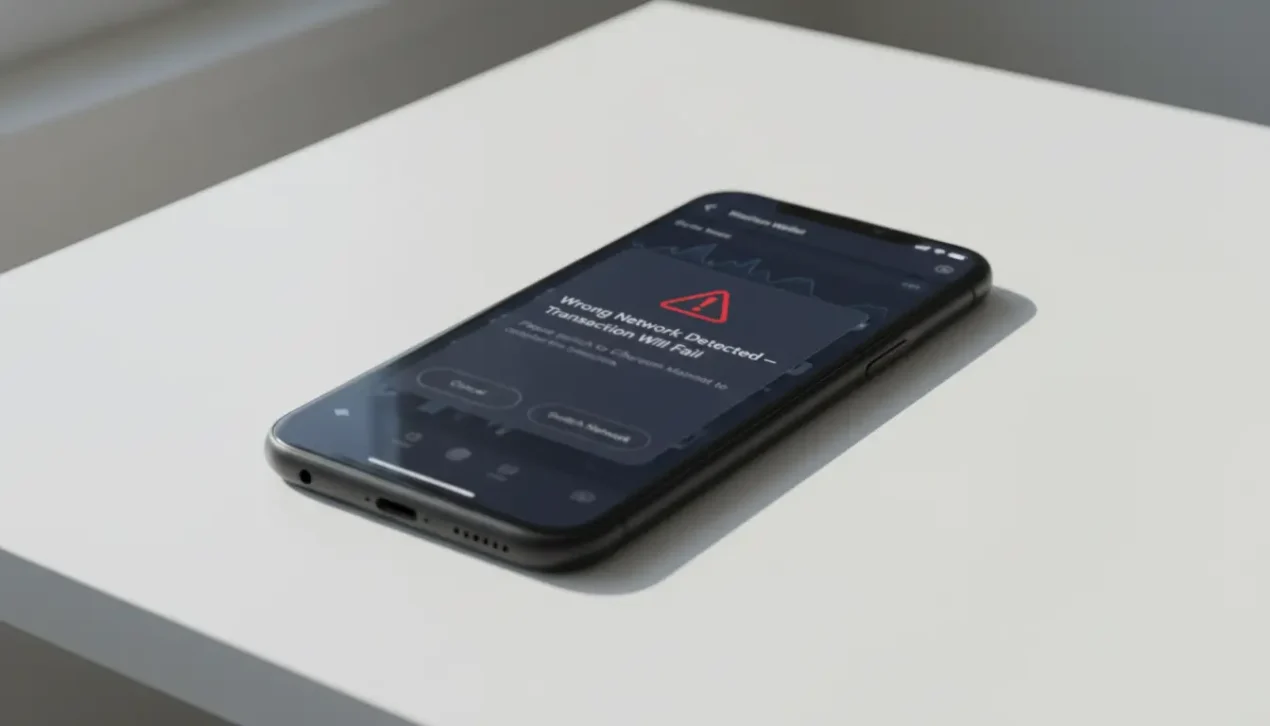
The Single Most Expensive Mistake in Crypto Betting
In my first year writing about crypto betting I got a message from a reader who’d sent 0.4 BTC equivalent to a sportsbook — except he’d sent it as BTCB on BNB Chain to a BTC mainnet deposit address. He thought the addresses looked similar enough. They weren’t. The sportsbook’s support team opened a ticket, made encouraging noises for three weeks, and eventually sent a polite message explaining that the funds had landed at an address the sportsbook didn’t control on a chain the sportsbook didn’t support. The money wasn’t stolen. It was just gone.
Wrong-network deposits are the single most costly user error in crypto. Not phishing, not rug pulls, not failed transactions — the mundane mistake of sending BTC-wrapped-on-another-chain to a BTC-mainnet address, or vice versa. The error is entirely preventable and somewhere between hard and impossible to fix after the fact, which means this article is worth more as prevention than as cure.
Let me be honest about something I’ve watched happen to smart people many times. The mistake usually isn’t made by a crypto novice. It’s made by someone experienced enough to know there are multiple “BTC” tokens floating around different chains, and rushed enough to not check which one the sportsbook actually wants. Confidence is the hazard here, not ignorance.
Prevention starts at wallet setup.
Wrong-Network Scenarios: BTC, wBTC, BTCB, Lightning
There isn’t one wrong-network scenario — there are several, each with a different recovery profile. Let me walk through the common ones, because “I sent BTC to the wrong place” covers at least four distinct failure modes.
Scenario one: BTC mainnet to a different chain’s address format. You copied an address starting with “bc1” or “1” from your sportsbook, pasted it into your wallet, and your wallet actually routed the transaction via Lightning or via a wrapped-BTC bridge rather than the mainchain. This is rare in 2026 because modern wallets validate the chain before sending, but older wallets and some mobile apps still get this wrong. Usually the transaction fails at the wallet level before it broadcasts, which is the friendly outcome.
Scenario two: wrapped-BTC to a BTC mainnet address. You held wBTC on Ethereum or BTCB on BNB Chain, copied a Bitcoin mainnet address from the sportsbook, and sent wBTC to it. The wBTC contract on Ethereum burns the token and the mainnet address never sees anything. There is no mainnet transaction. The wrapped token is effectively sitting in a contract that was expecting an address format the chain doesn’t recognise. This is sometimes recoverable via the bridge operator. Sometimes not.
Scenario three: BTC mainnet to a sportsbook’s address on a different exchange-accounting system. You sent real BTC, but to an address that the sportsbook’s backend treats as “TRC-20 USDT deposit address,” not “BTC deposit address.” The funds arrive on the correct chain, but the sportsbook’s crediting system doesn’t associate the deposit with your betting account. This is usually recoverable — the BTC is in a wallet the sportsbook controls — but requires manual intervention from their compliance team.
Scenario four: Lightning to a mainnet address or vice versa. Your wallet didn’t convert between the two rails. Lightning payments that target mainnet addresses usually just fail outright. Mainnet payments to Lightning invoices aren’t really possible because Lightning invoices aren’t mainnet addresses. The UX failure mode here is usually the friendly one.
Scenario five: missing memo or destination tag. Some chains — XRP, XLM, BEP-20 on certain exchanges — require a memo to route a deposit to the right user. No memo, and the sportsbook’s hot wallet receives the funds without being able to tell whose they are. Recovery on missing-memo deposits is usually possible but slow, because it requires the sportsbook to audit incoming transactions and reconcile against user support requests.
What Recovery Actually Looks Like, Step by Step
Let me walk through the actual recovery process, because “open a support ticket” glosses over what separates the 30 per cent of cases that get resolved from the 70 per cent that don’t.
Step one: don’t send anything else. Every recovery case I’ve watched fail started with the user sending a second, “correct” deposit while support was still analysing the first. Now you have two problems: the lost funds and a second deposit that support can’t confidently associate with your account. Wait.
Step two: collect the evidence before you open the ticket. You need the transaction ID on the sending chain, the sending wallet address, the receiving address (which is the sportsbook’s address you used), the chain you sent on, the exact time, and the amount. Copy all of these into a single message. A support agent dealing with 40 wrong-network tickets a day will close the one where they have to chase the user for basic details first.
Step three: open the ticket with a clear subject line. “Wrong-network deposit: sent BTCB to BTC address, need recovery” works. “HELP MY MONEY” does not. The subject line determines whether your ticket gets routed to the wrong-network recovery team or to the first-tier agent who handles password resets.
Step four: expect a slow response. Realistic recovery timelines are two to six weeks for sportsbooks with competent compliance teams, indefinite for the ones without. Check in once a week. Don’t check in daily — it actively hurts your case by clogging the ticket thread and annoying the agent.
Step five: be ready for a recovery fee. Sportsbooks that do recover wrong-network deposits almost always charge a fee — typically somewhere between 5 and 15 per cent of the recovered amount, sometimes a flat fee in the low hundreds of AUD. This isn’t a rip-off: it reflects the manual labour of reconciling the deposit, the gas or network fees to move the funds, and the opportunity cost of the compliance team’s time. If the book refuses the recovery without a fee, that’s actually often a bad sign — it suggests they don’t have the operational capability rather than that they’re being generous.
Step six: know when to stop. If six weeks have passed with no meaningful progress, the funds are almost certainly not coming back. Sunk-cost pressure pushes people into paying “recovery services” that promise results — these are overwhelmingly scams. I’ve never seen a third-party recovery service genuinely recover sportsbook wrong-network funds. The sportsbook either recovers it, or nobody does.
Prevention: Five Checks Before You Hit Send
The whole mess is prevented by a 60-second checklist. Here’s the one I run.
Check one: which chain does the sportsbook want? Every crypto sportsbook lists the deposit chain explicitly — BTC, ERC-20 USDT, TRC-20 USDT, Lightning. If your book’s deposit page just says “Bitcoin” without specifying mainnet vs Lightning, ask support before depositing. Ambiguous UI is a sign to slow down.
Check two: does the address format match the chain? BTC mainnet addresses start with “1,” “3,” or “bc1.” Ethereum addresses start with “0x.” Tron addresses start with “T.” BNB Chain addresses also start with “0x” (and are visually identical to Ethereum addresses, which is a source of confusion). If the address doesn’t match the chain you’re sending on, stop.
Check three: does your wallet’s send screen confirm the chain? Modern wallets display the chain of the outgoing transaction in the confirmation dialog. If it says “ERC-20” and you meant to send on BTC mainnet, stop. A shocking number of wrong-network deposits happen because users tap through the confirmation screen without reading it.
Check four: test with a small amount first. Already mentioned it in the wallet-setup piece and I’ll mention it again. A 0.0001 BTC test deposit — about A$15 — proves the entire round trip. The check adds 10 minutes to your first-time setup with any given sportsbook and saves you from catastrophic mistakes. If you’re worried about the mechanics, I’ve covered the full deposit-testing process in the article on two-factor authentication for crypto betting accounts, because the test deposit and the 2FA setup ideally happen in the same session.
Check five: read the deposit page one more time. Not skim — read. Every sportsbook’s deposit page has chain-specific warnings, memo requirements, and minimum-confirmation counts. The warnings exist because users have historically ignored them. Don’t be the user from last week who ignored them.
When Recovery Is Impossible and How to Accept the Loss
Some wrong-network deposits are permanently gone. Accepting that is the final, ugly step that a certain percentage of readers will eventually face.
The genuinely unrecoverable scenarios. You sent BTC mainnet to an address nobody controls — perhaps a burn address or a typo’d address whose private key doesn’t exist. The BTC is on-chain, immutable, and will sit there until the heat death of the universe or until someone finds the private key by brute force (which won’t happen). You sent wrapped BTC to a bridge address that doesn’t support reverse operations. You sent to a sportsbook that’s since gone offline with no functional support channel. These are genuinely gone.
The semi-recoverable scenarios. The funds are in a wallet somebody controls, but that somebody is either unresponsive, bankrupt, or deliberately non-cooperative. Some tiny sportsbook operators will quietly keep the funds and close tickets without recovery because they can — no regulator is going to care about a A$600 dispute on a book licensed offshore. Escalating these beyond the sportsbook’s support team is theoretically possible through the licensing authority, and under the new Curaçao LOK regime that pathway is slightly more credible than it used to be. But “theoretically possible” is thin comfort when you’re down A$600.
The emotional part matters and gets ignored. Losing money to a mistake you made yourself is psychologically different from losing money on a bet or to fraud. The urge to keep throwing time at recovery can take over, and sometimes the recovery effort ends up costing more than the original amount — in lost hours, in stress, in the anxiety bleed that ruins the rest of your week. My rule: if the recovery isn’t showing meaningful progress within four weeks, I write it off mentally and stop checking. The freedom of accepting the loss is sometimes worth more than the probability-weighted expected value of continued pursuit.
Prevention, one more time, because the whole article earns its keep on this line: the 60-second check before you send is worth infinitely more than the 40-hour recovery effort after. Build the habit. You’ll thank yourself every time it doesn’t trigger.
Will the sportsbook charge me to recover a wrong-network deposit?
Usually yes. A typical recovery fee sits between 5 and 15 per cent of the recovered amount, or a flat fee in the low hundreds of AUD depending on the operator. The fee reflects the manual work the compliance team has to do, network gas costs, and the opportunity cost of their time. Books that recover without any fee are rare. Books that refuse to recover at all are more common than the industry admits.
Is BTCB on BNB Chain the same thing as BTC to a sportsbook?
No. BTCB is a wrapped representation of BTC on BNB Chain — a separate token on a separate network. It’s tied to BTC’s price but it’s not fungible with mainnet BTC at the chain level. Sending BTCB to a sportsbook’s BTC mainnet deposit address will almost certainly result in a lost deposit unless the book explicitly lists BTCB as a supported input and gives you a BNB Chain deposit address, which most books do not.
If I sent BTC without a required memo, is it gone forever?
Usually not forever, but expect a long recovery process. Missing-memo deposits land in the sportsbook’s operational wallet unassigned to any user. Recovery requires the book to audit incoming transactions against support tickets and reconcile your claim against the on-chain record. The audit is manual, slow, and depends on you providing sufficient evidence to prove ownership of the sending wallet. Plan for four to eight weeks if the book handles it competently.
Created by the "" editorial team.The wider context sits in our data-driven guide to Bitcoin betting.